
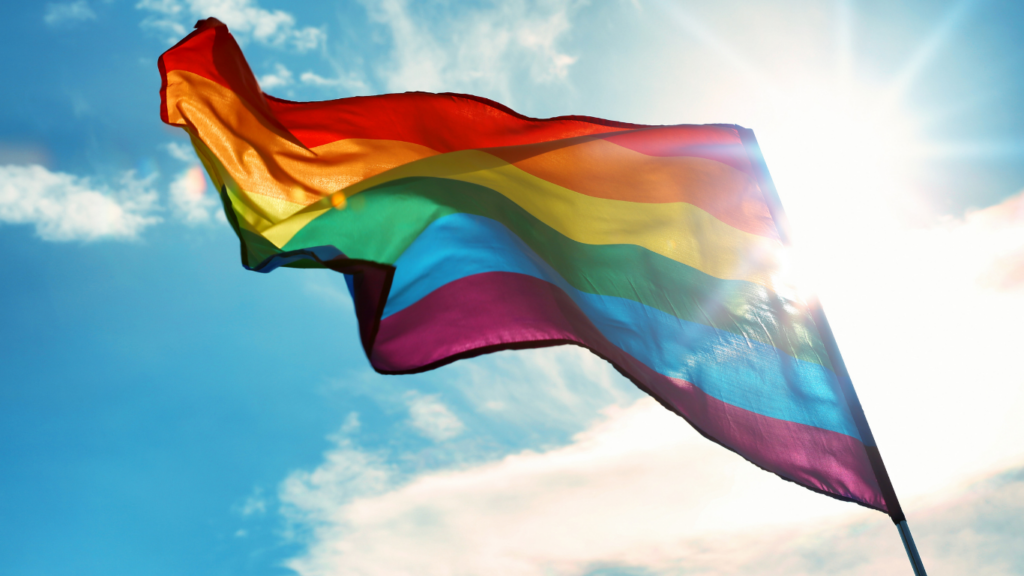
On losing people when you finally show up as yourself; and what you find on the other side
Pride Month is almost here. And while this season is full of celebration, it’s also worth making times for an honest conversation: coming out isn’t always the triumphant moment it looks like from the outside.
For some people, it is relief. A weight lifted. For others, it’s the beginning of watching people drift away. Some may do so quietly. Others may announce their departure. But either way, people watch their relationships fall apart. If you’re in that experience right now, you might be asking yourself if you’re imagining it.
You’re not.
For many gay people, coming out is not a single act of liberation followed by parades and celebration. It is a renegotiation of nearly every relationship they have; and some of those renegotiations end in loss. And what makes it so particularly painful is that it’s not happening because of something you did. It’s happening because of who you are. There’s nothing to fix, nothing to explain away. And that helplessness is exactly what makes some people vulnerable to the false promise of conversion therapy: a sham therapy practice that does not change who someone is but does cause significant and lasting psychological harm.
What’s happening in the nervous system during all of this is real. The brain is wired for connection, and when important people pull away – especially right at the moment you’ve finally allowed yourself to be fully seen – it send the signal that you are in danger. Authenticity becomes associated with abandonment. Future openness starts to feel genuinely unsafe. Over time, the cumulative effect erodes the ability to trust, to attach, to believe that love can actually be unconditional. It teaches a devastating lesson: that being yourself is cause for being left.
Research consistently confirms what many queer people already know from lived experience: rates of depression, anxiety, and suicidality are significantly higher among LGBTQ+ individuals who face rejection from family and friends. A loved one’s withdrawal reshapes the way a person sees themselves at a foundational level. The kind of damage that takes years of careful therapeutic work to repair.
There is also a particular kind of grief in this experience that doesn’t have a name most people recognize. This is grief for someone who chose distance. Someone who simply decided that your realness was more than they signed up for. That grief has no container. You’re expected to be fine with it, to accept that “they just don’t agree with your lifestyle” is somehow sufficient explanation for abandonment.
If you’re carrying that right now, let me say this: what is happening to you is a real loss, and you deserve to grieve it fully. The people who withdrew are not responding to something wrong with you. They are revealing something about the limits of their own capacity. You are allowed to feel the full weight of that.
And if you are the one withdrawing from someone you love after they came out, I want to ask you something gently but directly: are you okay with the message you’re sending? That who they are warrants distance from the people who matter most to them?
Many queer folx have a common experience. They lose a lot of people when they come out. Some stay, but only conditionally. Many meet the person they want to marry and then their families don’t show up to the wedding because it’s with a person of the same gender. That is the reality of so many, and it costs something real.
But there is also a second reality.
The relationships you build after coming out are built on something solid, because they are built on who you are authentically. The love in your life is fuller because you know it’s for you; not for a version of you performing for other people’s comfort. Coming out isn’t cost-free. Anyone who tells you otherwise isn’t being honest with you. But there is hope on the other side of it. There is light. There is love that doesn’t ask you to be smaller to earn it.
After you come out, you get to choose your family. You get to choose your happiness. You get to choose you.
If you or someone you know is experiencing suicidal ideation after coming out, facing rejection, or navigating the trauma of conversion therapy, The Trevor Project offers free, confidential support 24/7. Text START to 678-678, call 1-866-488-7386, or chat at thetrevorproject.org.